Constantino
Gucci

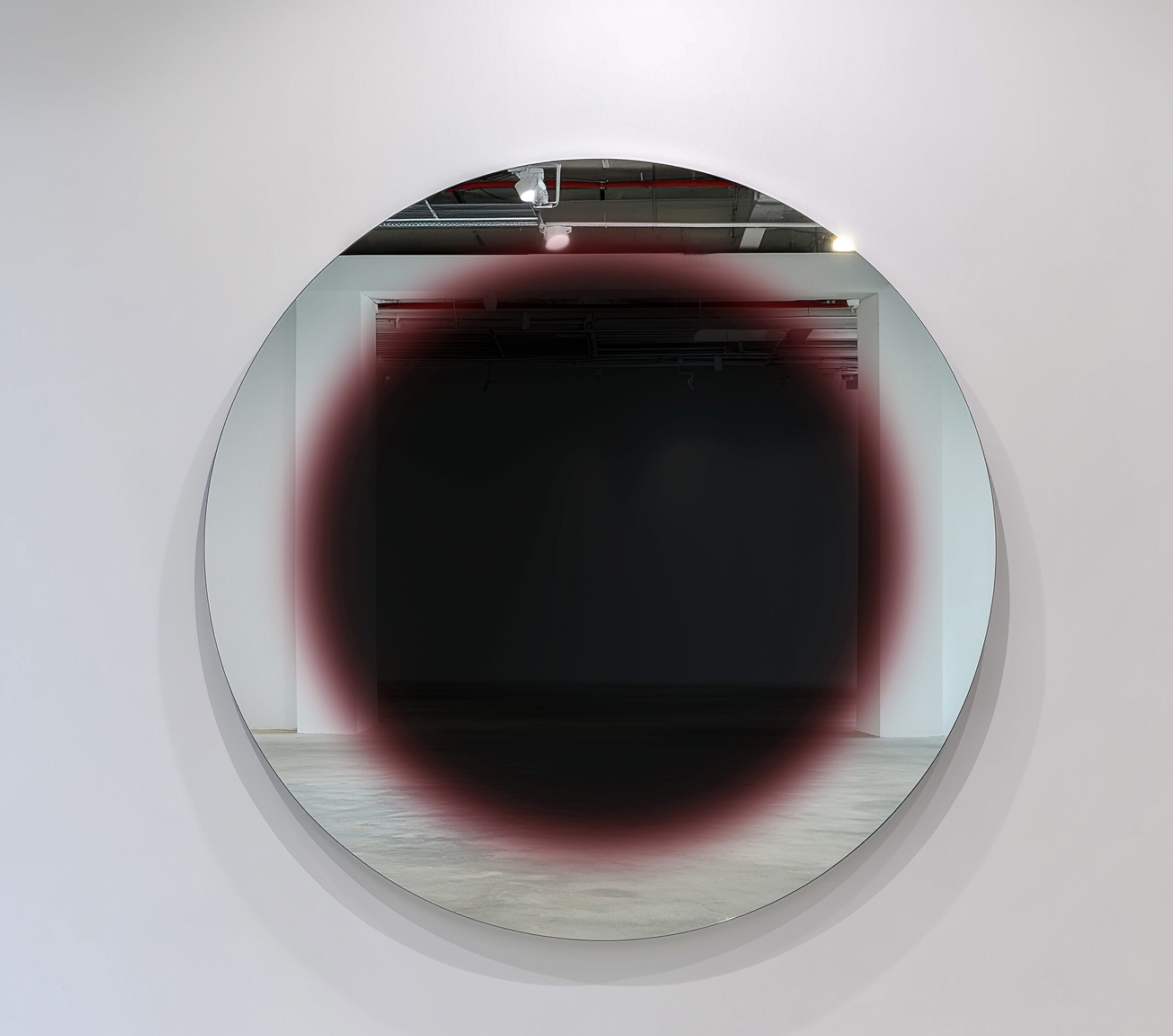
2015
Laminated mirror with digital print on glass.
55””
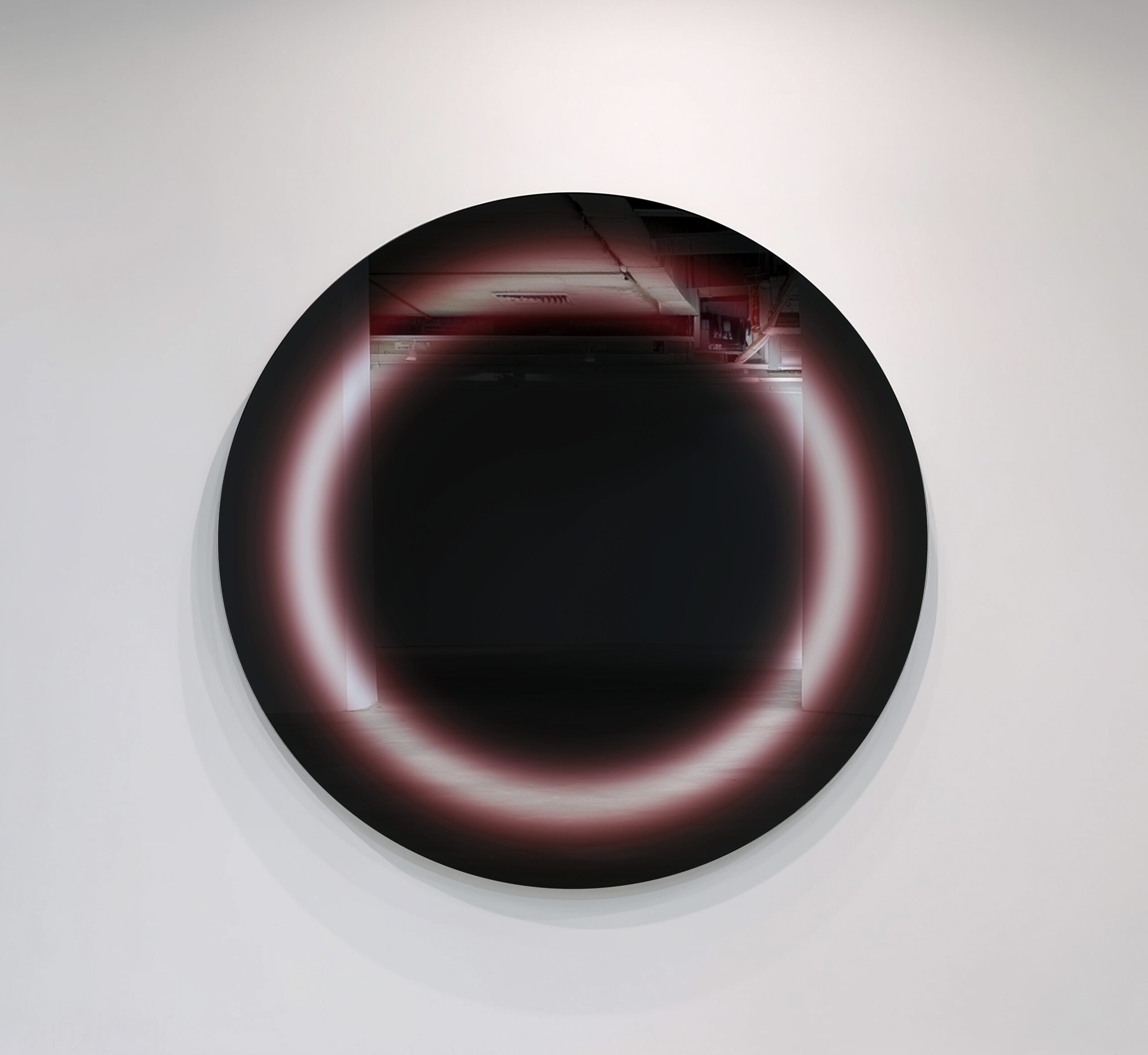
2025
Laminated mirror with digital print on glass
55”
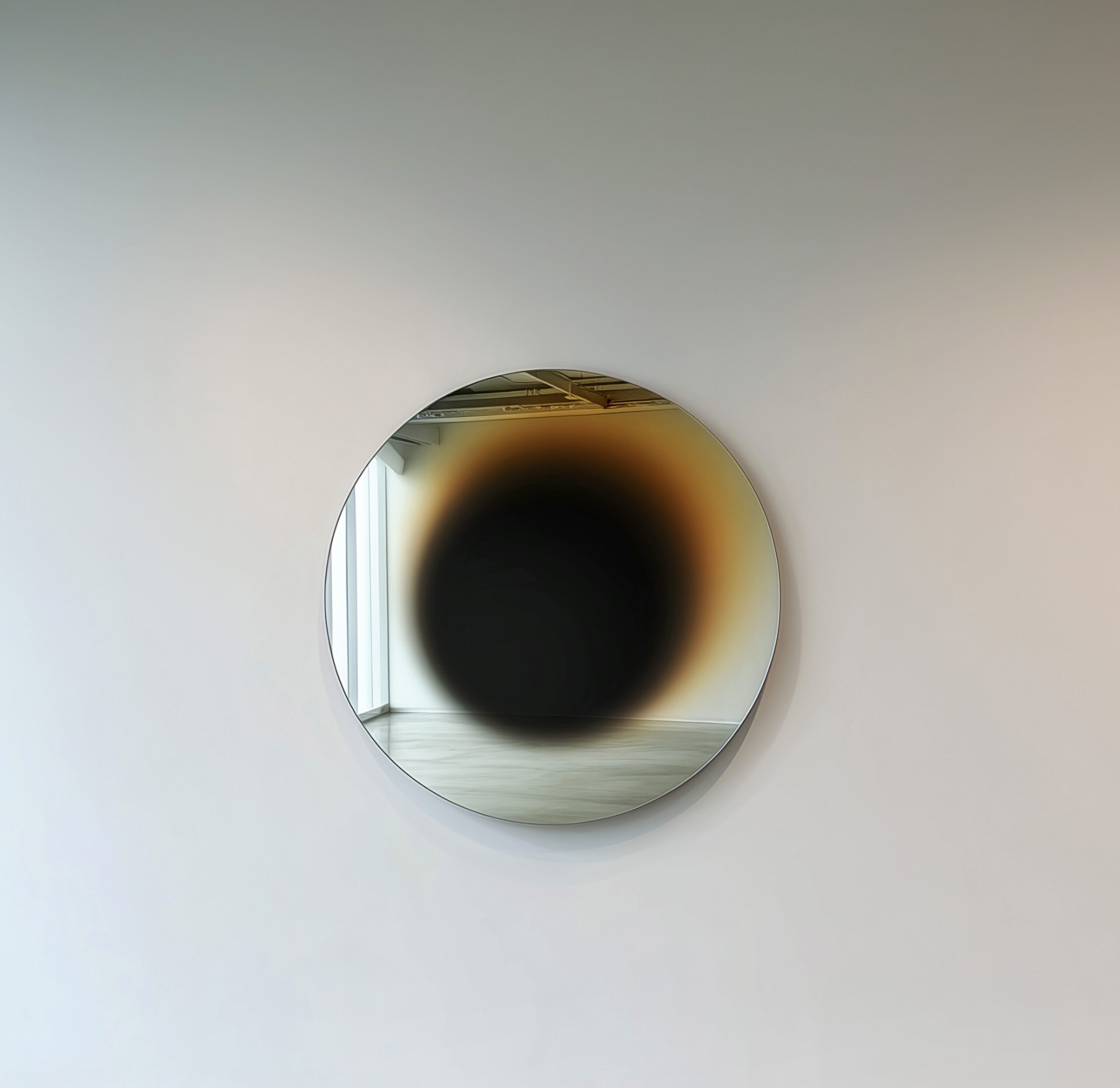
2026
Laminated mirror with digital print on glass
48”
Costantino Gucci, born in Florence in 1992, lives and works in Milan. After studying Product Design at Central Saint Martins in London, he developed a practice that moves between design and sculpture. Costantino Gucci is an Italian artist and designer whose practice operates at the intersection of aesthetics, perception, and space. With a background rooted in design methodology and contemporary visual culture, he works across art and design to create objects and installations that redefine the relationship between viewer, material, and environment.
His research explores reflection both as a material condition and as a metaphor, engaging with themes of perception, identity, and illusion through unstable, ever-shifting surfaces. At the core of Costantino’s practice is an investigation of reflection as both a physical and conceptual phenomenon. Mirrors, textured glass, and reflective surfaces are employed as active agents rather than passive materials, implicating the viewer in the construction of the work itself. Mirrors and glass become living organisms that respond to light and space, transforming each encounter into a singular, unrepeatable experience.
At the heart of his work is the viewer: the artwork does not exist in isolation, but takes shape through its relationship with the observer, constantly redefining the space that hosts it. This perceptual engagement generates liminal spaces that question identity, representation, and the fluid boundary between interior and exterior, transforming perception into an event in constant becoming.
Through the use of reflective materials and light-sensitive inks that respond to both natural and artificial light, Costantino conceives surfaces in continuous metamorphosis. Reflections shift according to movement, light conditions, and point of view, dissolving the boundary between reality and illusion and challenging the stability of the image.
Each work functions as a critical perceptual portal, establishing an active dialogue with the viewer and framing reflection as an open-ended narrative rather than a fixed representation. His work has been featured in contexts of artistic research and contemporary design, and now enters, for the first time, a solo exhibition that reveals the formal and conceptual universe behind his practice.